
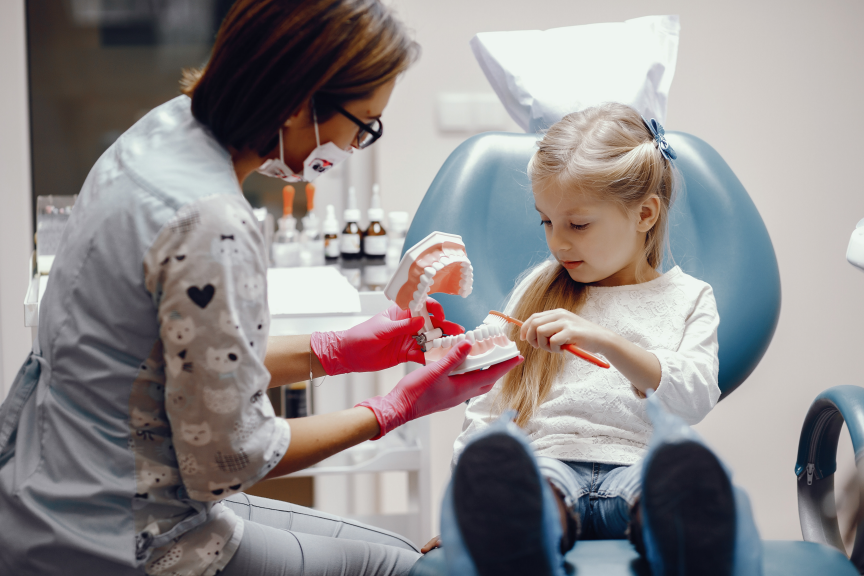
There are two main components of Pediatric oral care: preventative care at the dentist’s office and preventative care at home. Infants and toddlers who carry (cavities) and tooth decay have become increasingly prevalent in recent years. A good dental strategy will eradicate the risk of both.
The evaluation and preservation of the health of the child’s teeth are the goals of preventative oral care. Beginning at the age of twelve months, the American Dental Association (ADA) recommends that children begin to visit the pediatric dentist for “well-baby” checkups. In general, most children should continue to visit the dentist every six months, unless instructed otherwise.
How can I help at home?
Whereas, most parents primarily think of brushing and flossing when they hear the words “pediatric oral care,” good preventative care includes many more factors, such as:
Parents should provide children with a nourishing, well-balanced diet. Foods with added sugar should be limited, and continuous snacking should be discouraged. Oral bacteria ingest leftover sugar particles in the child’s mouth after each helping of food, emitting harmful acids that erode tooth enamel, gum tissue, and bone. Space out snacks when possible, and provide the child with non-sugary alternatives like celery sticks, carrot sticks, and low-fat yogurt.
Though pacifier use and thumb sucking generally cease over time, both can cause the teeth to misalign. If the child must use a pacifier, choose an “orthodontically” correct model. This will minimize the risk of developmental problems like narrow roof arches and crowding. The dentist can suggest a strategy (or provide a dental appliance) for thumb sucking cessation.
On many occasions, parents clean pacifiers and teething toys by sucking on them. Parents may also share eating utensils with the child sometimes. By performing these acts, parents transfer harmful oral bacteria to their child, increasing the risk of early cavities and tooth decay. Instead, rinse toys and pacifiers with warm water, and avoid spoon-sharing whenever possible.
Sippy cups are an excellent transitional aid when transferring from a baby bottle to an adult drinking glass. However, sippy cups filled with milk, breast milk, soda, juice, and sweetened water cause small amounts of sugary fluid to continually swill around young teeth – meaning acid continually attacks tooth enamel. Sippy cup use should be terminated between the ages of twelve and fourteen months or as soon as the child has the motor skills to hold a drinking glass.
Children’s teeth should be brushed a minimum of two times per day using a soft-bristled brush and a pea-sized amount of toothpaste. Parents should help with the brushing process until the child reaches the age of seven and is capable of reaching all areas of the mouth. Parents should always opt for ADA approved toothpaste (non-fluoridated before the age of two, and fluoridated thereafter). For babies, parents should rub the gum area with a clean cloth after each feeding.
Cavities and tooth decay form more easily between teeth. Therefore, the child is at risk for between-teeth cavities wherever two teeth grow adjacent to each other. The dentist can help demonstrate correct head positioning during the flossing process and suggest tips for making flossing more fun!
Fluoride helps prevent mineral loss and simultaneously promotes the remineralization of tooth enamel. Too much fluoride can result in fluorosis, a condition where white specks appear on the permanent teeth, and too little can result in tooth decay. It is important to get the fluoride balance correct. The dentist can evaluate how much the child is currently receiving and prescribe supplements if necessary.
If you have questions or concerns about pediatric oral care (how to care for your child’s teeth), please do not hesitate to ask your dentist.
Contact Us Form
If you have questions or concerns about pediatric oral care (how to
care for your child’s teeth), please do not hesitate to ask your dentist.
Springbank Dental Centre offers direct billing
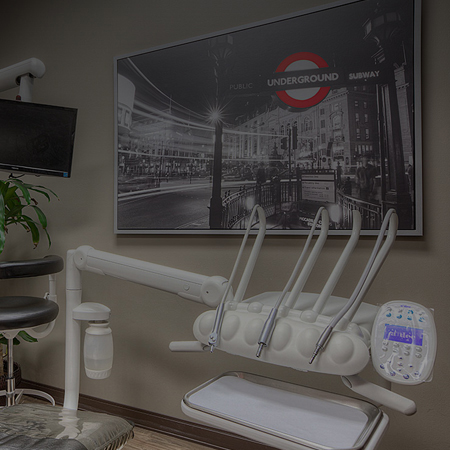



FILLINGS WITHOUT NEEDLES
Learn more about our LightWalker laser and how it has changed dentistry.

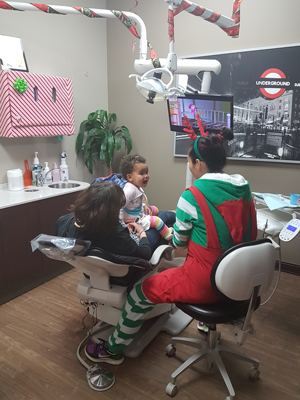
Little Smiles Program
Bring your toddler or young child to Springbank Dental Centre’s Little Smiles Program. This event is specifically designed to give them a fun and positive first experience at the dentist!
Children are introduced to the dentist and staff at their own pace in a warm and welcoming environment. During your child’s visit with us, we will show them all the “tools” and “gadgets” of the dental world, count their teeth with them, and inform them, and you, about oral health! By introducing kids to the importance of oral health as early as possible it will help in eliminating or reducing anxiety that would be carried into adulthood.
We can’t wait to meet your little one!
Our Free Guides
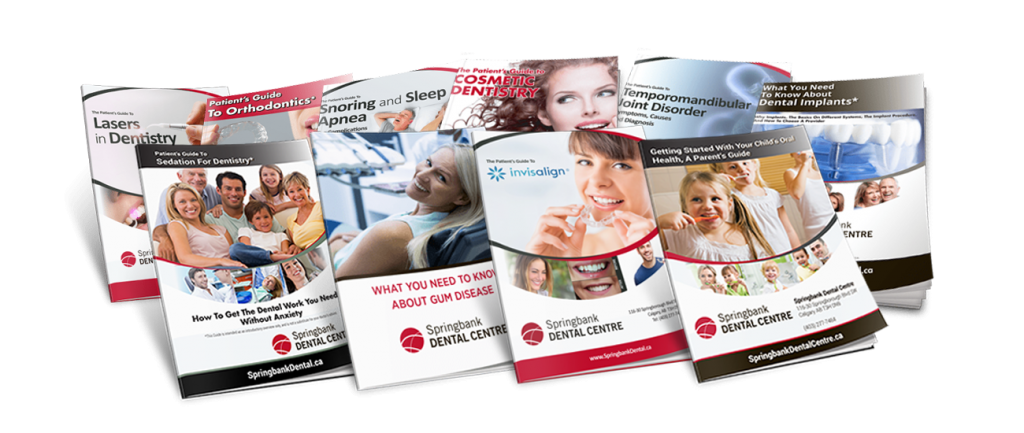
When you visit our office, your smile is our top priority. Our entire team is dedicated to providing you with the personalized, gentle care that you deserve. Part of our commitment to serving our patients includes providing information that helps them to make more informed decisions about their oral health needs. This website is a resource we hope you’ll find both useful and interesting.
Please browse through our website and be sure to give us a call if you have any questions or would like to schedule an appointment.
Sincerely,
Springbank Dental Centre




- 116-30 Springborough Blvd SW
- Calgary, AB T3H 0N9