

In contrast to general anesthesia (which renders the child unconscious), dental sedation is only intended to reduce the child’s anxiety and discomfort during dental visits. In some cases, the child may become drowsy or less active while sedated, but this will quickly desist after the procedure is completed.
When is sedation used?
Sedation is used in several circumstances. Firstly, very young children are often unable to keep still long enough for the pediatric dentist to perform high-precision procedures safely. Sedation makes the visit less stressful for both children and adults and vastly reduces the risk of injury. Secondly, some children struggle to manage anxiety during dental appointments. Sedation helps them to relax, cope, and feel happier about treatment. Thirdly, sedation is particularly useful for children with special needs. It prevents spontaneous movement and guides cooperative behavior.
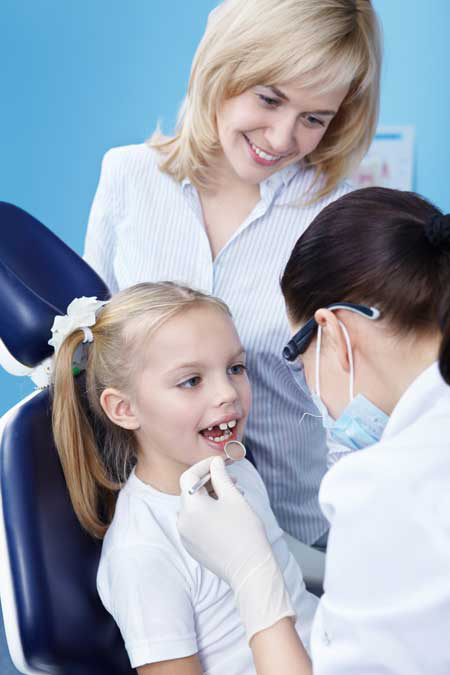
What are the most common types of sedation?
Most dentists have several sedation options available, and each one comes with its own particular benefits. The dentist will assess the medical history of the child, the expected duration of the procedure, and the child’s comfort level before recommending a method of sedation.
Conscious sedation allows children to continually communicate, follow instructions, and cooperate during the entire procedure. The major methods of conscious sedation are described as follows:
The dentist may recommend laughing gas for children who exhibit particular signs of nervousness or anxiety. Laughing gas is delivered via a mask, which is placed over the child’s nose. Laughing gas is always combined with oxygen – meaning that the child can comfortably breathe in through the nose and out through the mouth.
Laughing gas relaxes children extremely quickly, and can produce happy euphoric behavior. It is also quick acting, painless to deliver, and wears off within a matter of minutes. Before removing the mask completely, the pediatric dentist delivers regular oxygen for several minutes, to ensure the nitrous oxide is eliminated from the child’s body. On rare occasions, nitrous oxide may cause nausea. For this reason, most pediatric dentists suggest minimal food intake prior to the appointment.
Children who are uncooperative, particularly anxious, or unable to control their muscles for prolonged periods, may be offered an oral sedative. Oral sedatives come in many different forms (usually tablets, pills, and liquids), and may make the child feel drowsy. If oral sedatives are to be used, the pediatric dentist may require parents to prepare the child before the appointment. Some common preparatory measures may include: limiting food and fluid intake prior to the appointment, having the child wear comfortable clothing to the appointment, and preparing to stay with the child for several hours after the appointment. Oral sedatives rarely produce serious side effects; nausea is among the most common.
Other less common ways to administer sedatives include intravenous (IV sedation), the use of suppositories, and even the use of a nasal spray. In most cases, the method of delivery may change, but the chemical nature of the sedative remains the same.
What about general anesthetic?
General anesthetic (which puts the child in a deep sleep), is rarely used in dental work unless:
- A procedure cannot otherwise be performed safely.
- The child has a condition which limits cooperation or the ability to follow instructions.
- The child needs a lengthy treatment.
- The child needs more complex dental treatment or oral surgery.
General anesthetic requires more intensive preparation before the treatment and a longer period of recovery after the treatment. Conscious sedation is usually favored wherever possible.
If you have questions or concerns about sedation techniques, please contact our practice at (587) 317-9910.
Book NowSpringbank Dental Centre offers direct billing



FILLINGS WITHOUT NEEDLES
Learn more about our LightWalker laser and how it has changed dentistry.

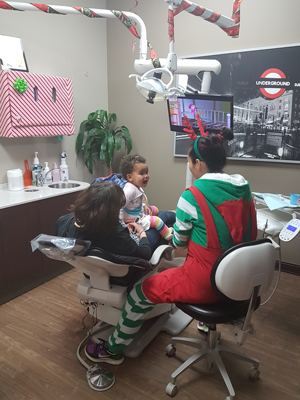
Little Smiles Program
Bring your toddler or young child to Springbank Dental Centre’s Little Smiles Program. This event is specifically designed to give them a fun and positive first experience at the dentist!
Children are introduced to the dentist and staff at their own pace in a warm and welcoming environment. During your child’s visit with us, we will show them all the “tools” and “gadgets” of the dental world, count their teeth with them, and inform them, and you, about oral health! By introducing kids to the importance of oral health as early as possible it will help in eliminating or reducing anxiety that would be carried into adulthood.
We can’t wait to meet your little one!
Our Free Guides
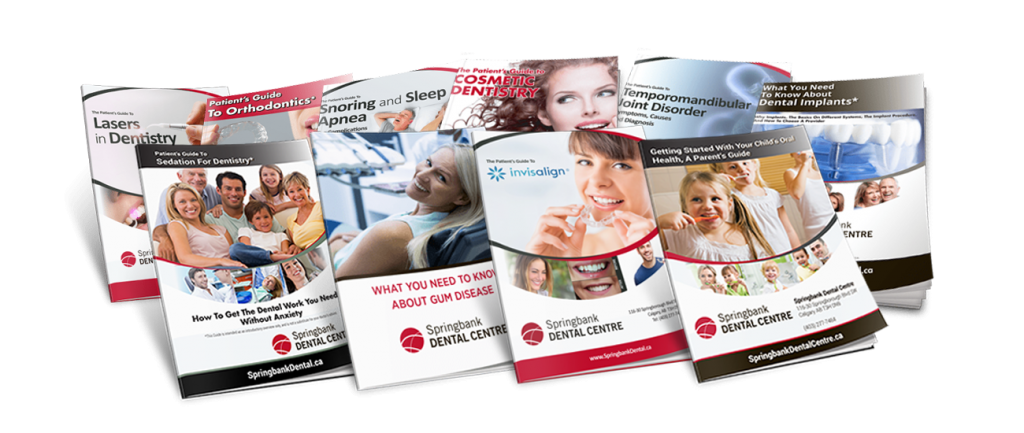
When you visit our office, your smile is our top priority. Our entire team is dedicated to providing you with the personalized, gentle care that you deserve. Part of our commitment to serving our patients includes providing information that helps them to make more informed decisions about their oral health needs. This website is a resource we hope you’ll find both useful and interesting.
Please browse through our website and be sure to give us a call if you have any questions or would like to schedule an appointment.
Sincerely,
Springbank Dental Centre




- 116-30 Springborough Blvd SW
- Calgary, AB T3H 0N9